UGC SWAYAM and Digital Learning: Why Libraries Must Prepare for Online Education Growth
UGC SWAYAM digital learning is changing student expectations. Learn how libraries can prepare for online courses and digital education.
Introduction
UGC SWAYAM digital learning is part of a larger change in Indian education. Students are no longer dependent only on classroom teaching and printed notes. They use online courses, recorded lectures, digital assessments, MOOCs, and blended learning formats.
The official SWAYAM platform continues to list semester course updates and digital learning resources for students and institutions. This growth affects libraries directly.
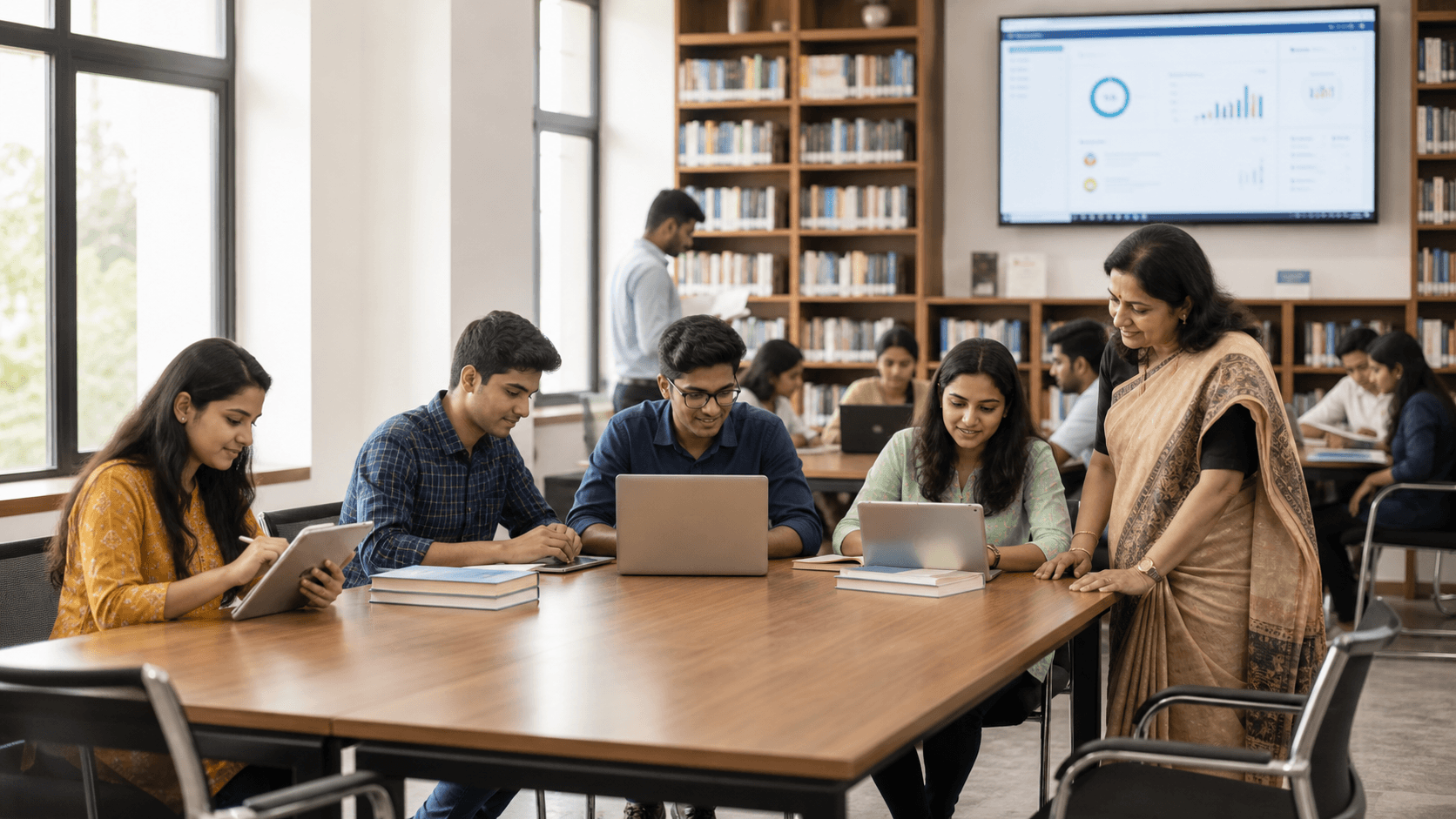
College libraries, school libraries, study centers, and private reading rooms must now support both physical and digital learning. A library that only offers shelves and seating may not be enough for the next generation of learners.
Main Section 1: How SWAYAM and Online Learning Are Changing Student Habits
SWAYAM courses and other online learning platforms have made students more comfortable with digital education.
Students now expect:
- Laptop-friendly study spaces
- Wi-Fi access
- Charging points
- Digital resource guidance
- Quiet zones for online lectures
- Flexible study hours
- Easy membership and renewal systems
Digital education India is not limited to metro cities. Students in tier-2 and tier-3 cities are also using online learning to access quality content.
Online Learning Still Needs Physical Support
Online education does not remove the need for libraries. Many students cannot study effectively at home due to noise, space issues, or lack of routine.
A library gives them:
- Focus
- Discipline
- Reliable infrastructure
- Academic atmosphere
- Peer seriousness
- Longer study hours
This is why libraries should prepare for online education growth instead of seeing it as competition.
Main Section 2: Why This Matters for Libraries and Institutions
For college libraries, digital learning changes the role of the library from a book storage area to a learning support hub.
Administrators may need to track:
- Student usage
- Digital resource access
- Reading room occupancy
- Department-wise activity
- Membership or access records
- Staff responsibilities
- Reports for management
For private reading rooms, digital learning creates a business opportunity. Students taking online courses still need a serious place to watch lectures, revise notes, and complete assignments.
Study centers can also combine offline support with digital learning resources to create better student outcomes.
Main Section 3: Practical Steps Libraries Should Take
1. Create Digital Learning Zones
Set aside areas where students can use laptops or tablets without disturbing others. Keep these zones separate from silent reading spaces if possible.
2. Improve Infrastructure
Basic improvements can make a big difference:
- Stable internet
- Charging points
- Comfortable desks
- Good lighting
- Ventilation
- Secure storage or lockers
- Clean seating layout
3. Manage Access Digitally
Digital learning increases footfall and usage variation. Some students may come for two hours, others for a full day. Digital membership records help manage access fairly.
4. Track Usage and Attendance
Attendance and usage reports help institutions understand how students use the library. For private owners, these reports help with pricing, renewals, and capacity planning.
5. Support Hybrid Learning
Libraries can support both books and digital resources. Keep physical books organized, but also provide a learning-friendly environment for online courses and digital assignments.
Main Section 4: How Digital Systems Can Help
College library software and library management platforms help administrators manage this changing environment.
Useful capabilities include:
- Student records
- Access management
- Attendance tracking
- Seat allocation
- Membership plans
- Staff roles
- Reports
- Multi-branch or multi-campus visibility
For educational institutions, digital systems help create accountability. For private operators, they help improve revenue control and service quality.
Useful internal links:
- Explore education institution solutions
- View college library software features
- See study center management software
- Contact ShelfSpace
ShelfSpace CTA
Want to digitize your library or reading room operations? ShelfSpace helps you manage students, staff, seats, memberships, attendance, payments, and reports from one dashboard. Book a free demo today.
FAQ
What is UGC SWAYAM digital learning?
UGC SWAYAM digital learning refers to online courses and digital education resources available through the SWAYAM platform and related academic initiatives.
Why should libraries care about SWAYAM courses?
Students taking SWAYAM courses still need quiet spaces, internet, devices, books, and structured study environments. Libraries can support this need.
How can college libraries support online learning?
College libraries can provide laptop zones, Wi-Fi, charging points, digital access records, attendance tracking, and usage reports.
Is digital learning a threat to libraries?
No. Digital learning creates a new role for libraries as hybrid learning spaces where students use both books and online resources.
How does ShelfSpace support educational institutions?
ShelfSpace helps institutions manage students, seats, attendance, staff, memberships, payments, and reports in one digital system.
Digitize your library operations with ShelfSpace
Manage students, staff, seats, fees, attendance, and reports from one dashboard.
Book a Free Demo